The way we approach death care is undergoing a profound transformation as people become increasingly aware of their environmental footprint. Among the emerging alternatives, human composting stands out for its innovative and sustainable approach. Unlike traditional burial and cremation methods, which often have adverse environmental impacts, human composting is a process that transforms the body into nutrient-rich soil, closing the loop in nature’s cycle of life. This concept has taken root in communities, where human composting services in Lafayette, CO provide an eco-conscious option for end-of-life care.
Environmental Impact of Traditional Death Care
Traditional death care methods come with hidden environmental value. For example, cremation releases carbon dioxide and other pollutants into the atmosphere, while conventional burials consume vast amounts of land and often involve embalming chemicals that can leach into the soil. In contrast, human composting uses natural processes to return the body to the earth without contributing to pollution or resource depletion. By choosing human composting, individuals make a commitment to reducing their environmental impact, creating a legacy of sustainability that benefits future generations.
The Science Behind Human Composting
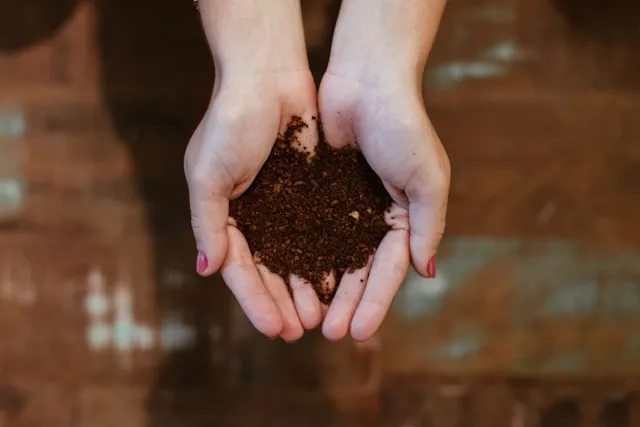
Human composting, also referred to as “natural organic reduction,” is a carefully managed process that transforms a body into soil within a controlled environment. This method involves placing the body in a vessel with organic materials such as wood chips, straw, and alfalfa. Microbial activity accelerates decomposition, creating nutrient-dense soil that can be used to enrich the earth. Services like Terramation ensure this process is conducted with dignity and care, offering a meaningful alternative that supports the natural cycle of life.
Ethical and Personal Considerations
Human composting isn’t just an environmentally friendly choice—it’s also a deeply personal one. Many people find comfort in the idea that their remains will contribute to the health of the planet, creating new life even after death. This perspective aligns with a growing cultural shift toward sustainability and mindfulness in all aspects of life, including end-of-life care. By opting for human composting, families honor their loved ones in a way that reflects their values and commitment to the environment.
Cultural Shifts in Death Care Practices
The growing acceptance of human composting reflects broader cultural shifts toward sustainable living. Traditional views of death care are giving way to innovative practices that prioritize environmental stewardship and personal choice. Communities across the United States are recognizing the value of these alternative approaches. Services like Terramation offer a practical and respectful way to honor loved ones while contributing to a healthier planet.
Economic and Practical Benefits
Beyond its environmental benefits, human composting can also be a value-effective and practical option for families. Traditional burial and cremation often involve numerous expenses, from caskets and embalming to cremation equipment and funeral services. Human composting streamlines the process, focusing on sustainability and simplicity. For those seeking an alternative that is both meaningful and economical, human composting provides a viable option that aligns with modern values.
Legal and Regulatory Developments
The rise of human composting has also prompted changes in legal and regulatory frameworks. States like Colorado have embraced this practice, ensuring that it is conducted safely and ethically. Human composting operate within these guidelines to provide families with a reliable and eco-conscious choice. As more states consider legalizing human composting, it is becoming an increasingly accessible option for people across the country.
Community Engagement and Support
Human composting also fosters a sense of community by connecting individuals and families with a shared commitment to sustainability. Many organizations offering human composting provide educational resources and support to help people make informed decisions about their end-of-life care. This approach not only empowers families but also strengthens communities by promoting shared values of environmental responsibility and compassion.
The Role of Terramation Services
At the heart of the human composting movement are services like Terramation, which provide the expertise and care needed to make this process a reality. These services guide families through every step of the journey, ensuring that their loved ones are treated with dignity and respect. By choosing human composting, individuals can take comfort in knowing that they are making a positive impact on the planet while honoring their loved ones in a meaningful way.
Why Human Composting Matters
Human composting represents more than just an alternative to traditional death care—it’s a reflection of our growing awareness of the need for sustainable practices in every aspect of life. By embracing this innovative approach, individuals and families can make a lasting contribution to the health of the planet. Human composting services in Lafayette, CO provide a unique opportunity to be part of this transformative movement.
Discover how human composting is redefining death care for a sustainable future. To learn more about this meaningful practice, reach out to us at The Natural Funeral and explore how you can make a positive impact.